The room on the Favoritenstrasse cost sixty-four euros a night and had a radiator with opinions. It clanked twice an hour through the first night, and by the second morning the clank had become furniture, a sound the street made along with the trams. The landlady, ironing in the hallway, said without looking up, "You get used to it, and the market starts at six, so sleep is a schedule here, not a right." She was friendly about it. The room was on the third floor, the lift was a poster about the lift, and the U1 station sat at the end of the street like a servant.
Week one, south of the belt
The district earned its rate in other ways. Breakfast at the Turkish bakery on the corner was a flatbread and a tea for under four euros, the market on Karmelitermarkt was two stops away, and every corner held a business that never appears in guidebooks: a lamp repair shop, a shop that sold only locks, a wedding-dress atelier with photos in the window going back decades. The sixty-four-euro room bought reach, not charm, and by Thursday the trade felt honest. A student carrying a mattress up the stairs said, "Everyone asks about the noise. Nobody asks about the bakery." The bakery alone was worth ten euros a night.
The economics of the district only fully appeared at the end of the week, when the receipts were laid out. Meals had cost roughly half what the inner district charged for the same plates, and the metro had carried its fare-share of the morning load without a single delay. What the district could not supply was atmosphere after dark: the streets emptied early, and the evenings the city is known for all began with a tram ride north.

Week two, inside the Ring
The second room was in the first district, behind the opera, and it cost nearly three times as much for a floor plan that was somehow smaller. What it bought was hours. Museums opened around the corner, the coffeehouse downstairs poured at half past seven, and evenings ended on foot because the night was the amenity. The concierge, a man who had worked the desk since the building was something else, said the price was simple: "Inside the Ring you buy minutes. Outside you buy rooms. Most people do not know which one they are short of." That week, the minutes turned out to be the right purchase; the week's work was walking, and walking started at the door.
The minutes bought inside the Ring were measurable. The museum opened at ten and the room was at the door at ten and one; dinner ended at nine and the opera was home by half past; and the famous square, which costs other visitors a pilgrimage, was walked through on the way to the pharmacy. Nothing about the week was cheaper, but almost everything was closer, and by Friday the trade felt like the one the concierge had described.
The canal flat, and the third kind of week
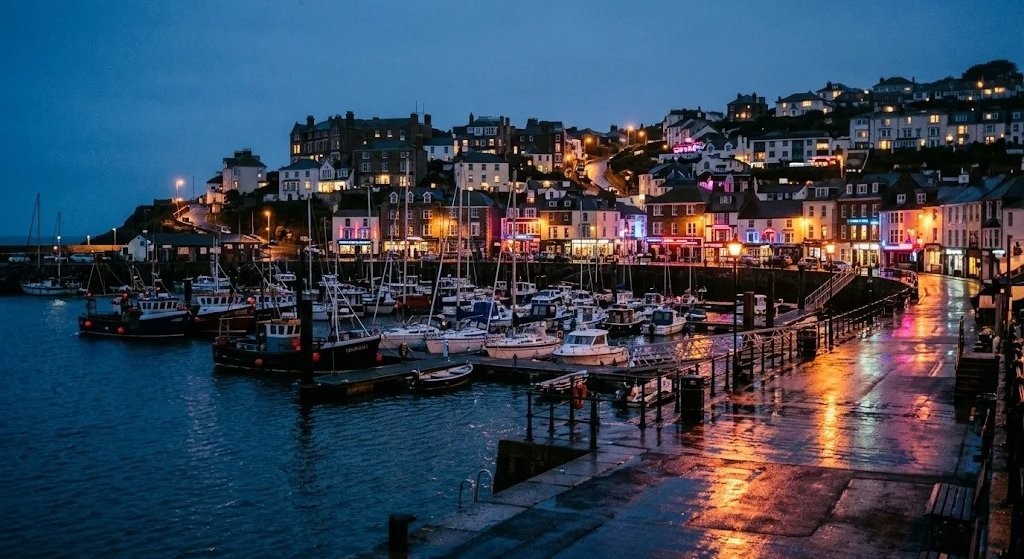
The third stay was an apartment above the canal walk, booked through a listing with confident photography, and it worked differently from both hotels. There was a kitchen, a washing machine, and the particular silence of a residential stairwell at eleven at night. Mornings began with runners and dog owners below the window and the river doing its slow impression of a road. The flat cost between the other two, and it asked more back: no daily cleaning, a key with rules, a supermarket trip as the first item of the holiday. In exchange the week acquired a hearth, and the city stopped being something visited and became something returned to.
The flat also taught its own small curriculum. Shopping became part of the day rather than a service, laundry ran while the city was watched from the window, and the neighbourhood shops started returning nods by Thursday. A hotel, whatever its price, keeps the visitor a guest. A flat with a key rule and a washing machine makes the same visitor a temporary neighbour, and the difference outlasts the stay.
What three rooms sorted out
The comparison, written on the flight home, kept only what each room proved:
- Outer districts: cost and bakery mornings, at the price of transit minutes and street noise.
- Inner districts: minutes saved and evenings on foot, at roughly triple the rate.
- An apartment: space, quiet and a routine, for travellers who stay a week or more and cook at least once.
None of the three rooms was the right room, because the weeks were not the right week for each other. The radiator room suits a first trip on a budget, the Ring room suits a short visit with long evenings, and the canal flat suits the trip when the suitcase gets unpacked all the way. The city accommodates all three plans without comment, which may be its quietest amenity, and the landlady on the Favoritenstrasse was right about one thing for every district: sleep is a schedule, and the visitor picks the schedule with the address.