The suitcase came back down from the wardrobe in February with the zip half-open and a ski sock still inside it from Salzburg, and the first lesson of the week arrived before the train did. Vienna in February is not a cold city by northern standards; it is a standing-still city. Tram stops are open, cafes put chairs outside with blankets over them, and nobody hurries, so the cold gets a full minute at a time instead of a dash at a time. The coat that works is the one that works standing still.
February, standing still in the cold
The week ran on three layers and none of them were fashionable. Thermal base, wool middle, and a wind-stopping coat that closed to the throat, because the wind funnels along the Danube canal with the patience of a landlord. Gloves had to work a phone screen, which ruled out two pairs in the drawer. At the ice rink by the Rathaus a woman selling tickets wore fingerless gloves with a folded towel on her lap and said, "The cold here is honest, it just wants your hands." She was right about the hands. Everything packed fit one rule: nothing that failed after twenty minutes outdoors.
Food packed better than clothes that week. A thermos of tea made every tram stop into a base camp, and the markets sold roasted chestnuts that warmed pockets as well as hands. One more discovery: the underground passages between central stations are public, warm and walkable, and the coldest day of the year had a route through it that barely surfaced. The lesson went into the bag as a rule, not an item: in the cold months, plan the route around the warmth.
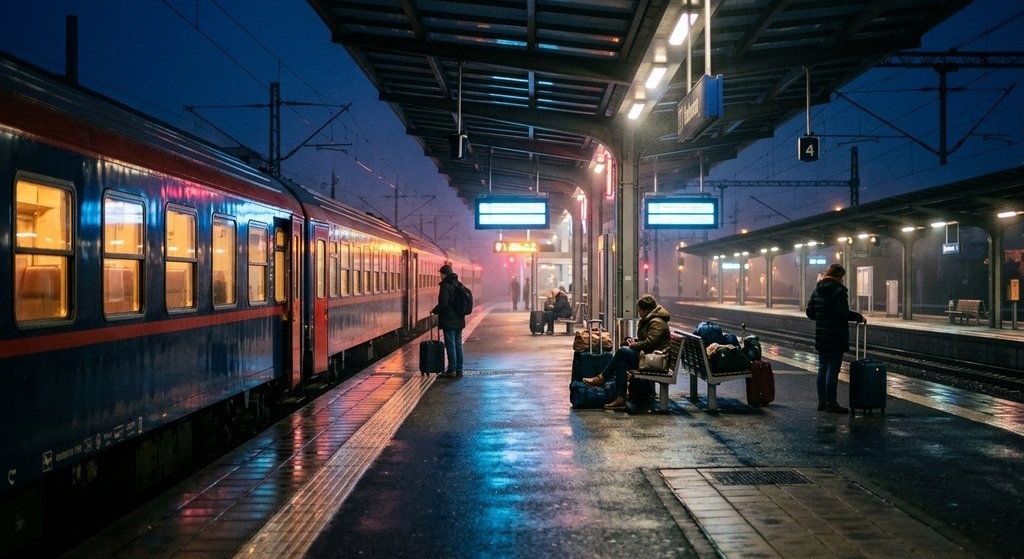
April, and the ten-day spring
April packed differently. Mornings started at four degrees with fog off the meadows of the Lobau, and by lunch the same street was warm enough that jackets rode on bag handles. The week's wardrobe was built around one walkable truth: you dress for the morning and live for the afternoon. A light sweater, a jacket that folded into its own pocket, and shoes that forgave both gravel park paths and polished museum floors. The poplars along the canal went from bud to leaf inside the week, and the packing went from winter to almost-summer inside the same five days.
The April kit also carried its one luxury, a pair of sunglasses that had waited in a drawer since autumn. The city's spring light is low and long, and it comes down the east-west streets like water down a channel, so mornings walk west and evenings walk east. The packing list never mentions direction, but the week proved it matters more than the jacket choice.
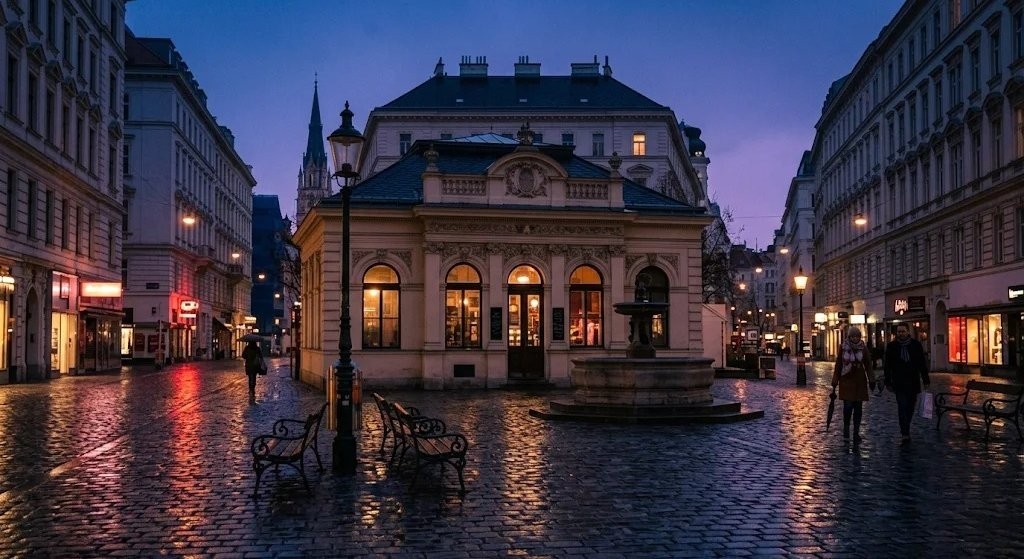
July, the week of two umbrellas
July broke the pattern. The forecast said thirty degrees and clear, and the city delivered a thunderstorm on Tuesday that dropped the temperature by twelve degrees in twenty minutes and filled the street drains to their rims. One umbrella was bought at a kiosk for four euros and lasted eleven minutes; its replacement came from a department store and outlived the week. The July packing that worked was linen, a light rain shell, and the stubborn rule about shoes, because flooded pavements and leather soles do not negotiate. The kit for heat looked thinner than the kit for February and took more decisions.
The storm also rewrote the afternoon plan for two days running. Museums filled with refugees from the weather, cafes filled with their overflow, and the queue at the cinema was the only long one in the city. The July packing fix was not another garment but a shape: everything in one bag, nothing left in the hotel that could not survive a soaking, and the good camera wrapped in a jumper at the bottom.
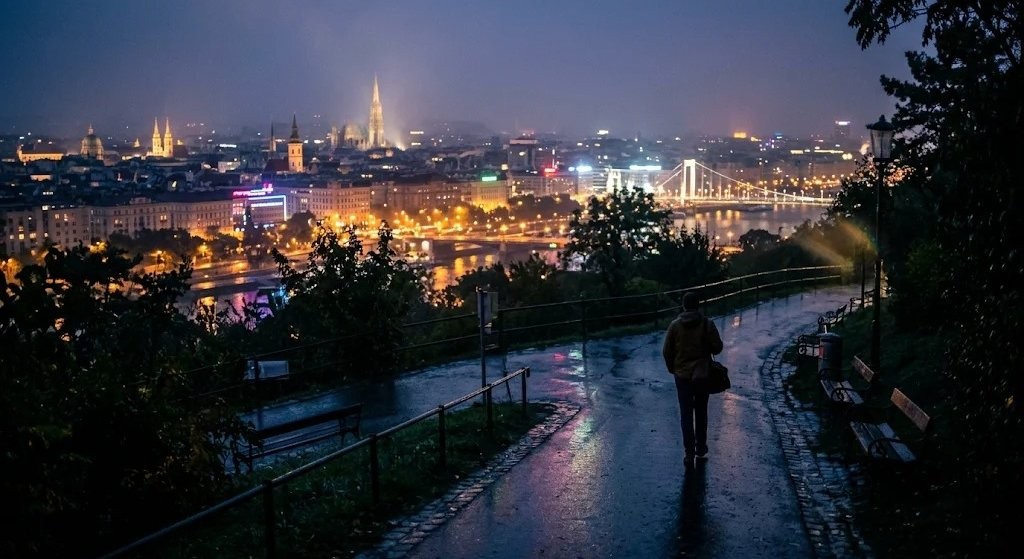
December, and the four-week cold with lights on it
The Advent week felt colder than February, though the thermometer disagreed. The reason was the schedule: December evenings are spent standing in squares, holding a cup, queuing, listening to brass bands, and standing still is where the cold collects its rent. The same three layers from February came back, plus the blanket logic of the market stalls, plus wool trousers instead of the fashionable ones. A waiter at a stand near the opera, asked how he survived eight-hour shifts, said only, "Boots, two pairs of socks, and moving the feet between customers." The boots made the packing heavier and the evenings possible.
One December-specific item earned permanent luggage rights: the folded towel, for drying hands after glove changes and for wiping steamed lenses at the markets. Small, weightless, and used every single evening. The rest of the December kit was the February kit plus wool, which suggests the honest packing year here has three seasons, not four.
What the year settled
Four weeks of evidence reduce to one list, and it survived every season:
- A coat or shell that closes to the throat, for the canal wind and the standing-still cold.
- Shoes already broken in, because the city is walked in kilometres and the pavements are honest about defects.
- One umbrella in the bag from April to November, whatever the forecast claims.
- Layers that come off indoors, since every room is heated past the point of comfort in the cold months.
The February sock from Salzburg stayed in the suitcase through the whole year and came out again in December, unasked. Some packing decisions announce themselves. The rest get made on a Wednesday night with a printout of the weather on the floor, and Vienna, generous about most things, is strict about exactly two of them: the shoes and the closing-to-the-throat rule. Pack around those and the suitcase forgives everything else.